
Design JournalWardrobe Design
Sliding vs Hinged Wardrobes: How to Choose the Right Format
Both formats can look premium, but they solve different problems. Here's how we help clients choose between space-saving sliders and classic hinged shutters.
April 20265 min read
Choosing the right wardrobe format comes down to room clearance, daily usage, and the kind of visual statement you want the bedroom to make.
When sliding wardrobes make sense
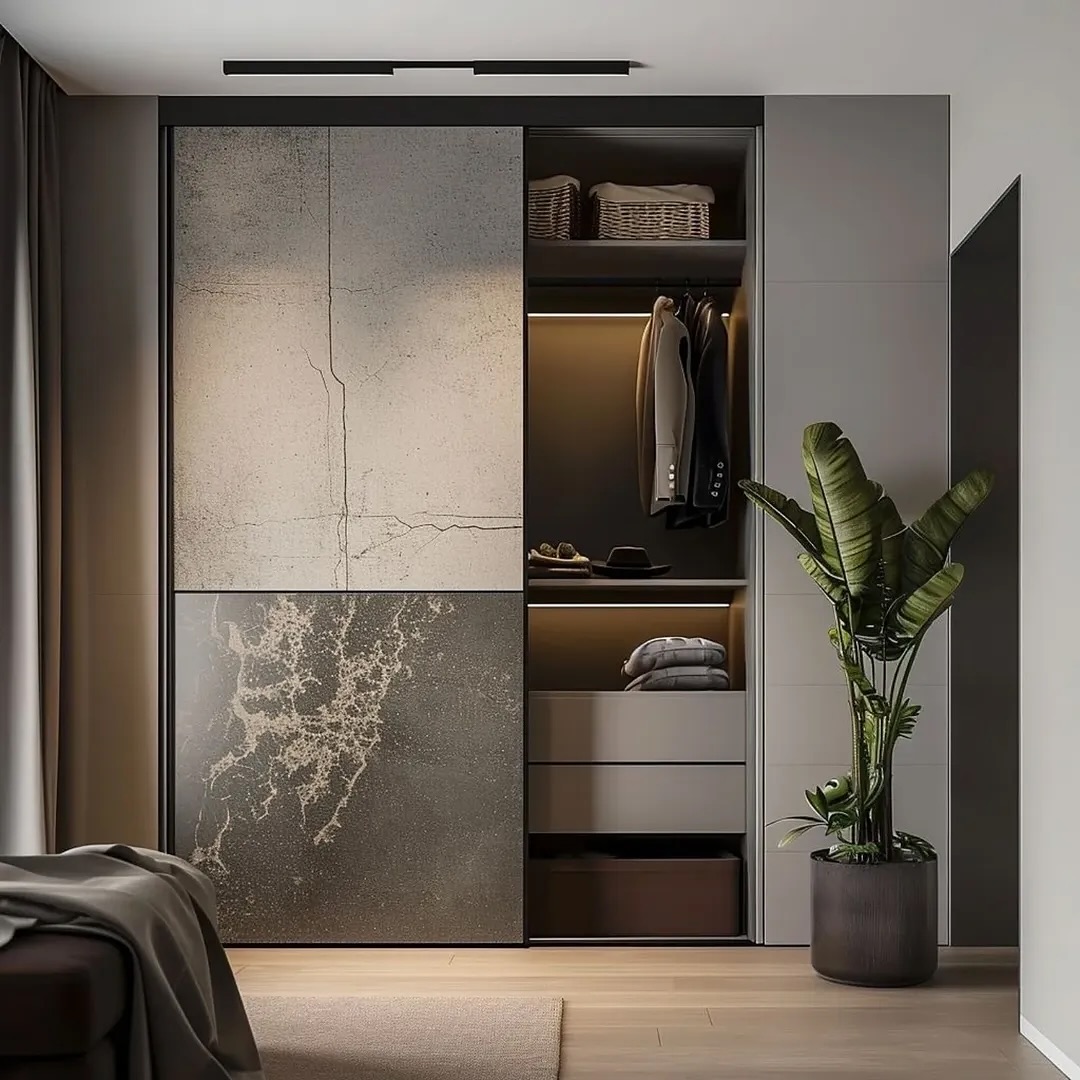
Sliding wardrobes are ideal when the room is compact or the bed sits close to the storage wall. They also work beautifully when you want a long, clean elevation with a strong contemporary look.
Because the shutters move laterally instead of swinging out, they preserve circulation space and allow the wardrobe front to become a neat architectural line across the room.
- Better for tight clearances.
- Great for long wall compositions.
- Works well with fluted and glass finishes.
When hinged wardrobes win
Hinged wardrobes give you full access to the internal layout, which is helpful when the room has more space to open shutters comfortably. The result feels classic, practical, and highly organized.
They are especially useful when the wardrobe needs a dresser tie-in, extra pull-out accessories, or a more traditional bedroom composition that feels open and easy to use every day.
Choose based on lifestyle first
The right format is not just about aesthetics. It depends on how often the wardrobe is used, how much storage you need, and whether the bedroom can comfortably accommodate shutter swing or sliding tracks.
We guide clients through that decision by studying the room, the users, and the storage requirements together, so the final solution feels natural rather than forced.
More Stories
Continue reading
Master Bedroom
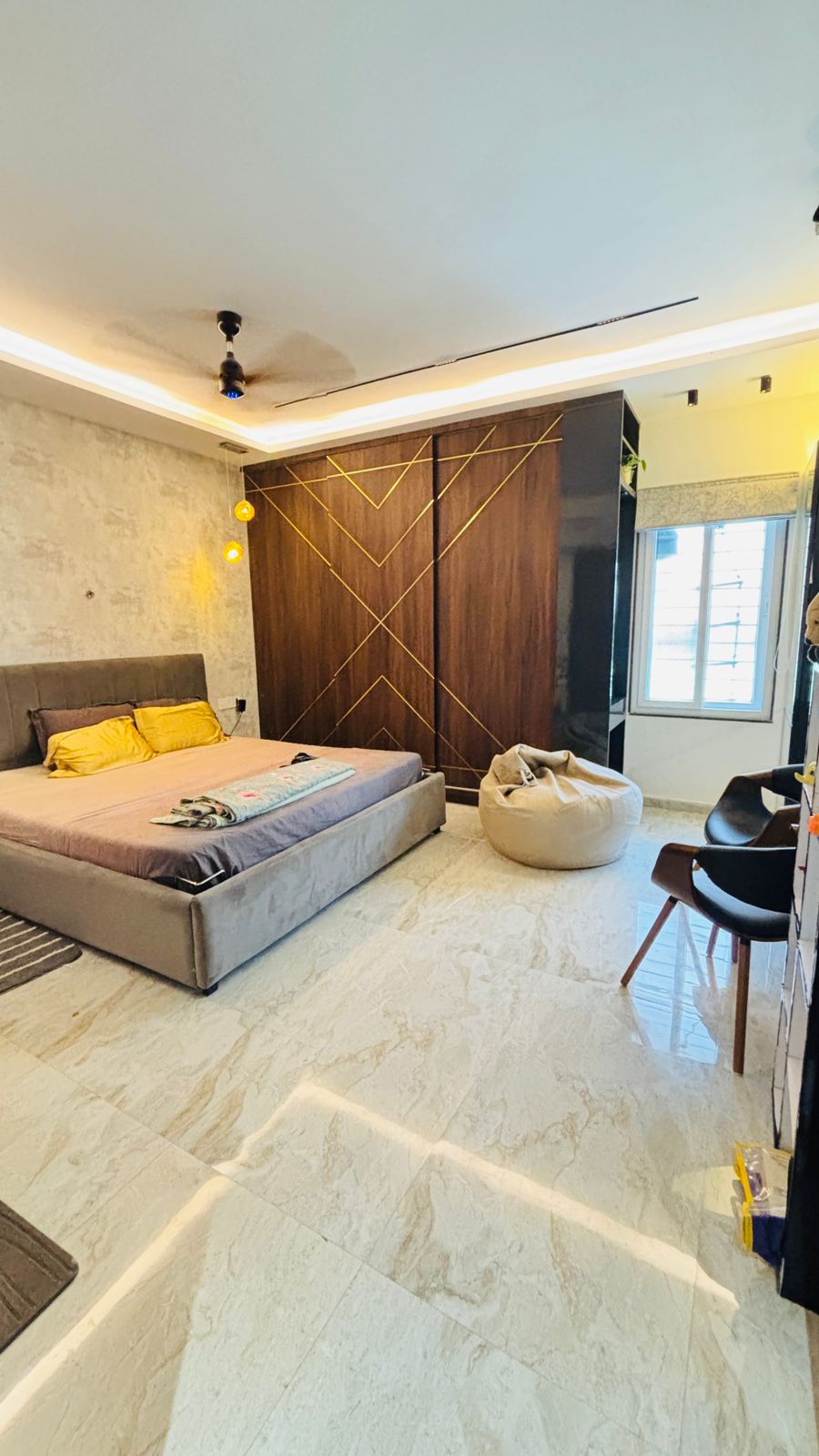
Designing a Master Bedroom That Feels Like a True Retreat
A calm bedroom starts with balance. Learn how wardrobe planning, ceiling layers, and material choices can make a master suite feel larger and more restful.
False Ceiling
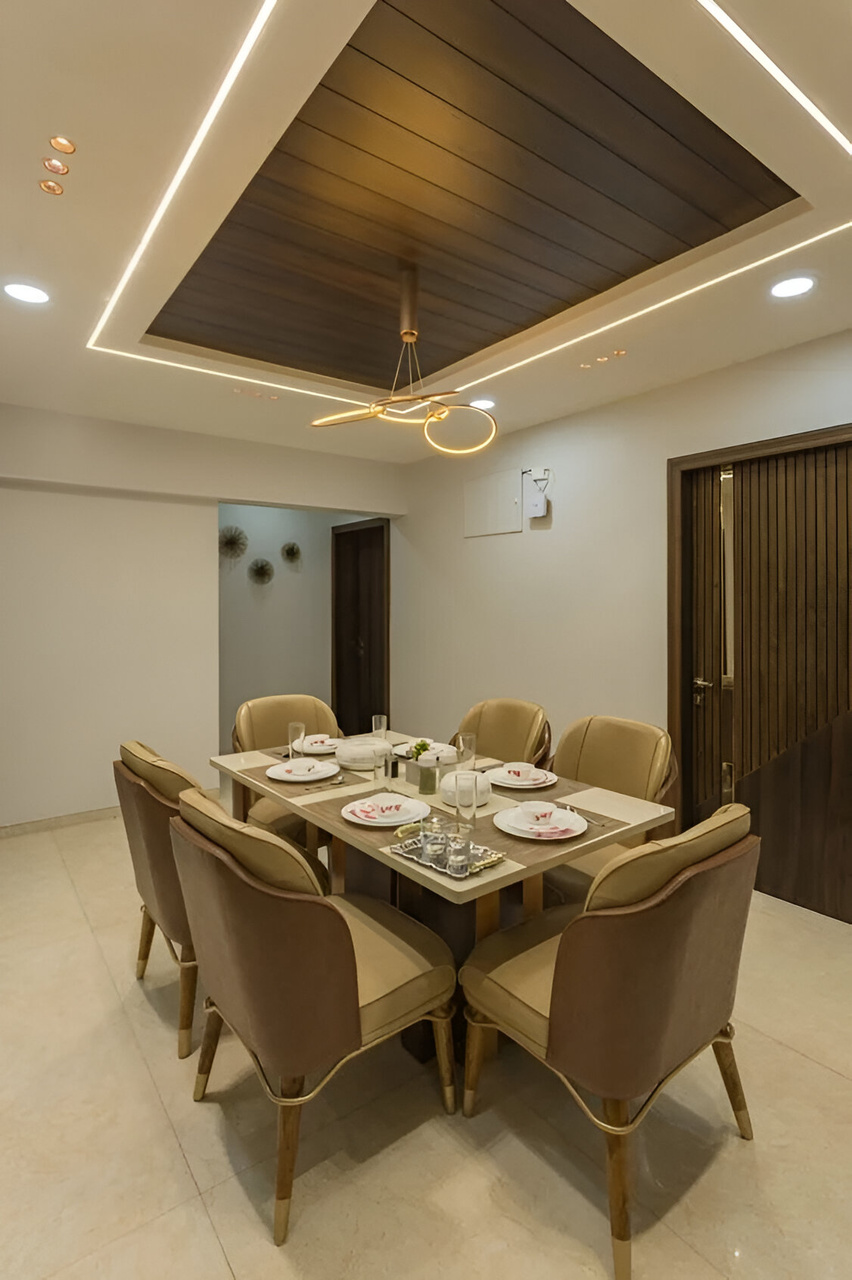
Lighting Layers That Change the Mood of Every Interior
Lighting is not an accessory. It is the layer that ties the entire room together, from ceiling detailing to shelves, niches, and display corners.
Modular Kitchen
A Modular Kitchen Layout That Supports Daily Flow
From cooking routines to storage zones, a good modular kitchen is designed around how you actually move through the space every day.