
Design JournalLiving Room
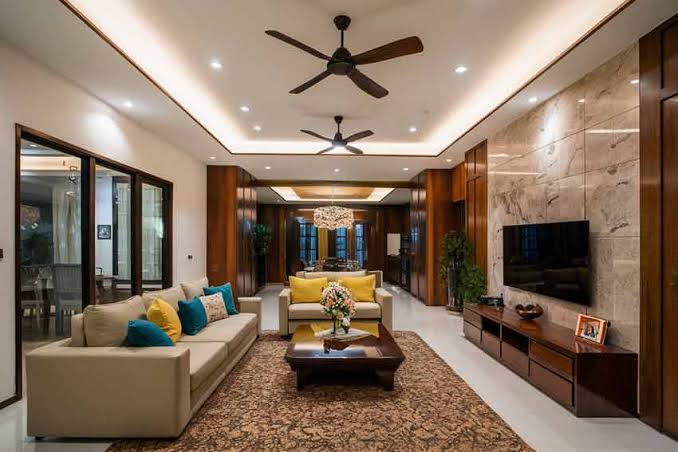
How to Layer a Living Room Without Making It Feel Busy
A living room feels richer when textures, lighting, and storage are balanced carefully. Here's how to create depth without visual clutter.
April 20265 min read
The most inviting living rooms are layered with intention. Instead of adding more things, we focus on how light, texture, and furniture spacing work together to create warmth and clarity.
Start with one visual anchor
Every living room benefits from a clear focal point. It might be a TV wall, a window, a sculptural light, or a sofa arrangement that naturally gathers people into conversation.
Once that anchor is established, the rest of the room can be arranged around it with more confidence. This keeps the space from feeling scattered and makes the design easier to read at a glance.
Layer materials in small steps
A room becomes visually richer when textures are introduced gradually. Wood tones, soft upholstery, stone accents, and subtle metallic details can coexist beautifully when none of them is shouting for attention.
The trick is to repeat a few material families instead of introducing too many finishes. Repetition creates rhythm, and rhythm is what makes a room feel polished rather than busy.
Keep the circulation open
Furniture placement matters as much as the objects themselves. A living room should allow easy movement between the seating, storage, and adjacent spaces so the room feels relaxed rather than blocked.
When the walkways stay open and the furniture proportions are right, the room feels larger, even if it contains plenty of detail. That balance is what makes the space feel designed instead of decorated.
More Stories
Continue reading
Master Bedroom
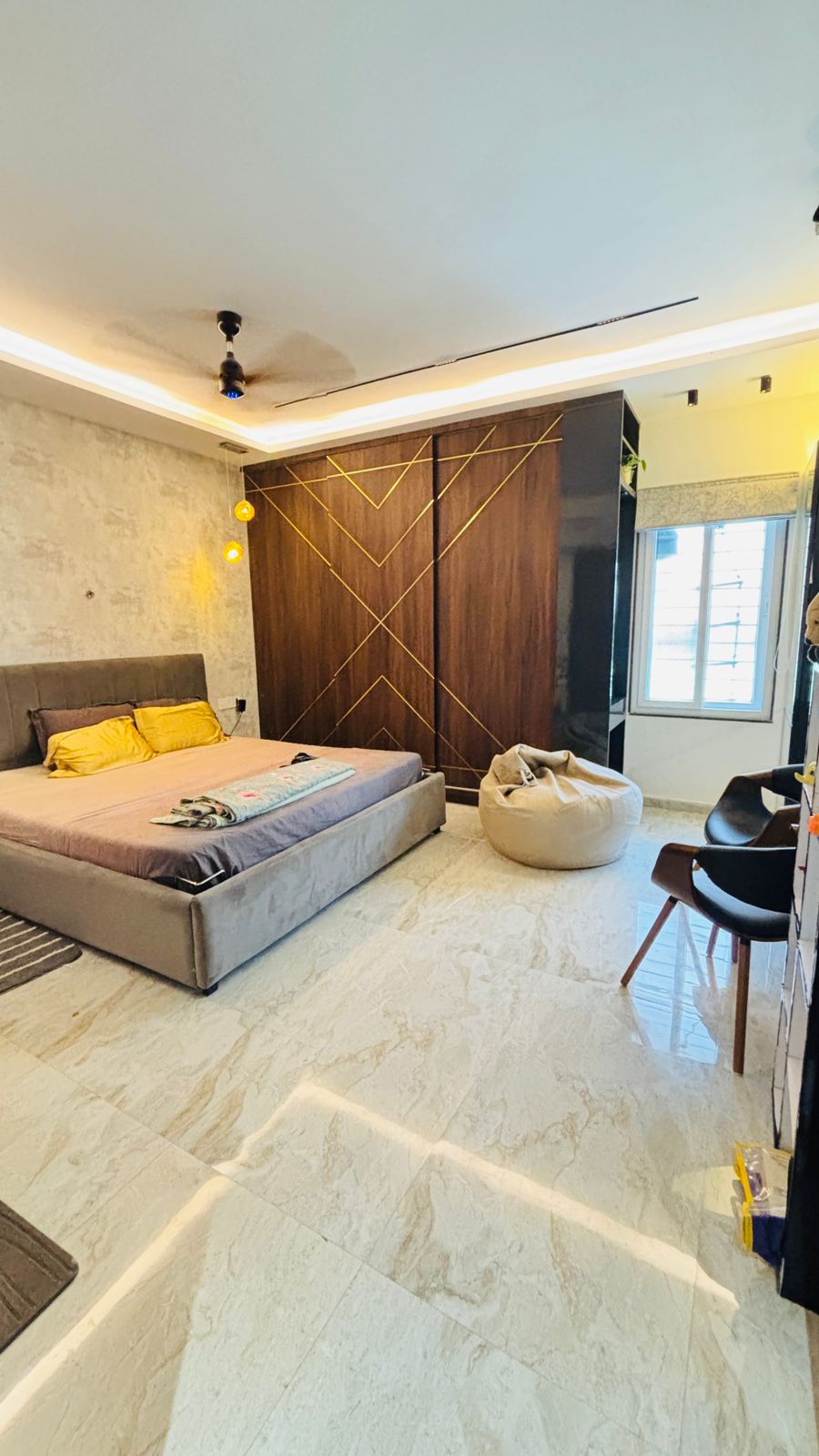
Designing a Master Bedroom That Feels Like a True Retreat
A calm bedroom starts with balance. Learn how wardrobe planning, ceiling layers, and material choices can make a master suite feel larger and more restful.
Wardrobe Design
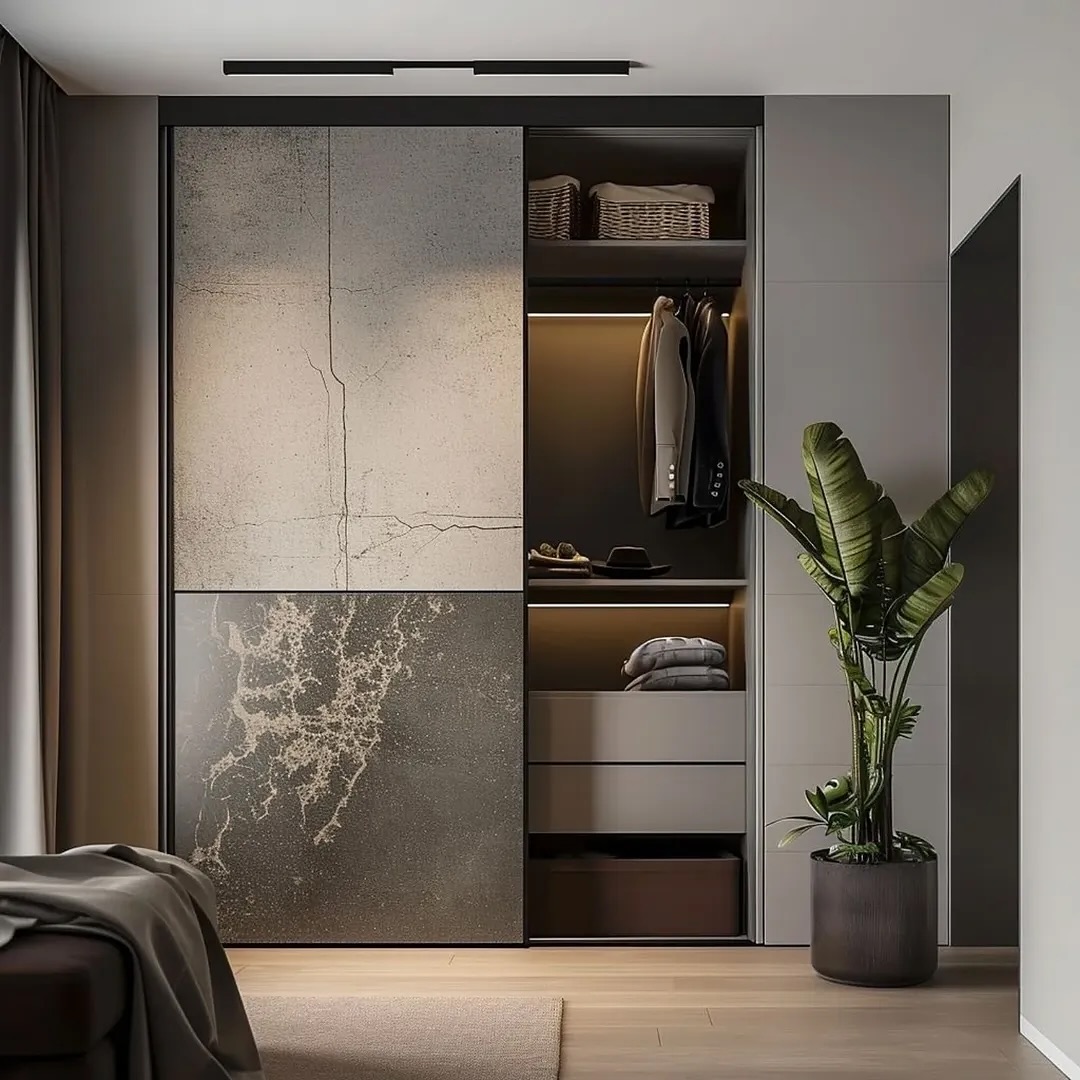
Sliding vs Hinged Wardrobes: How to Choose the Right Format
Both formats can look premium, but they solve different problems. Here's how we help clients choose between space-saving sliders and classic hinged shutters.
False Ceiling
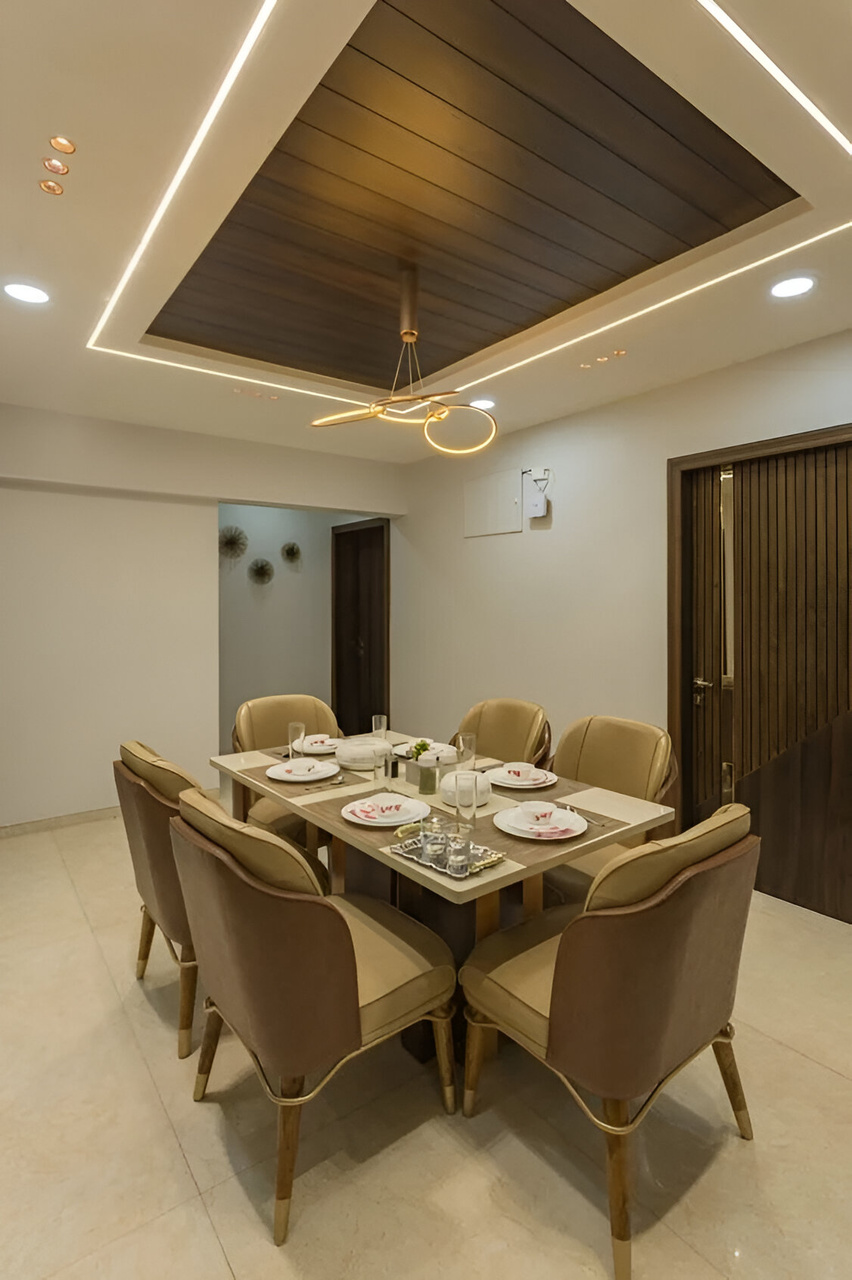
Lighting Layers That Change the Mood of Every Interior
Lighting is not an accessory. It is the layer that ties the entire room together, from ceiling detailing to shelves, niches, and display corners.